
Programs
PTSD & Trauma Care
“We believe you. We’re not going to make you prove it first. We start by believing you, and then we measure — because you deserve both.”
Assessment that measures something
Trauma care fails most often in one of two ways: nobody measures anything, so nobody can tell whether treatment is working; or measurement becomes a gate you have to pass before anyone takes you seriously.
We do the first without the second. Structured assessment — including validated instruments such as the PCL-5 — is used to track change over time, not to decide whether your experience was bad enough to count.
What gets assessed
- Symptom burden and how it has changed, measured the same way each time
- Sleep, startle response and hyperarousal
- Sound tolerance, which is commonly missed and changes what environments are viable
- Pain, and whether it is being driven or amplified by the same stuck alarm
- Substance use, without judgment and without it disqualifying you from care
- Housing stability, because it determines whether any plan is realistic
Why the alarm does not switch off
Being told “you’re safe now” does not work, and it is not a failure of willpower that it doesn’t. The circuitry involved does not take instruction from the part of the brain that produces reassurance. Treatment has to work on the mechanism rather than argue with it.
Where the horticulture program fits
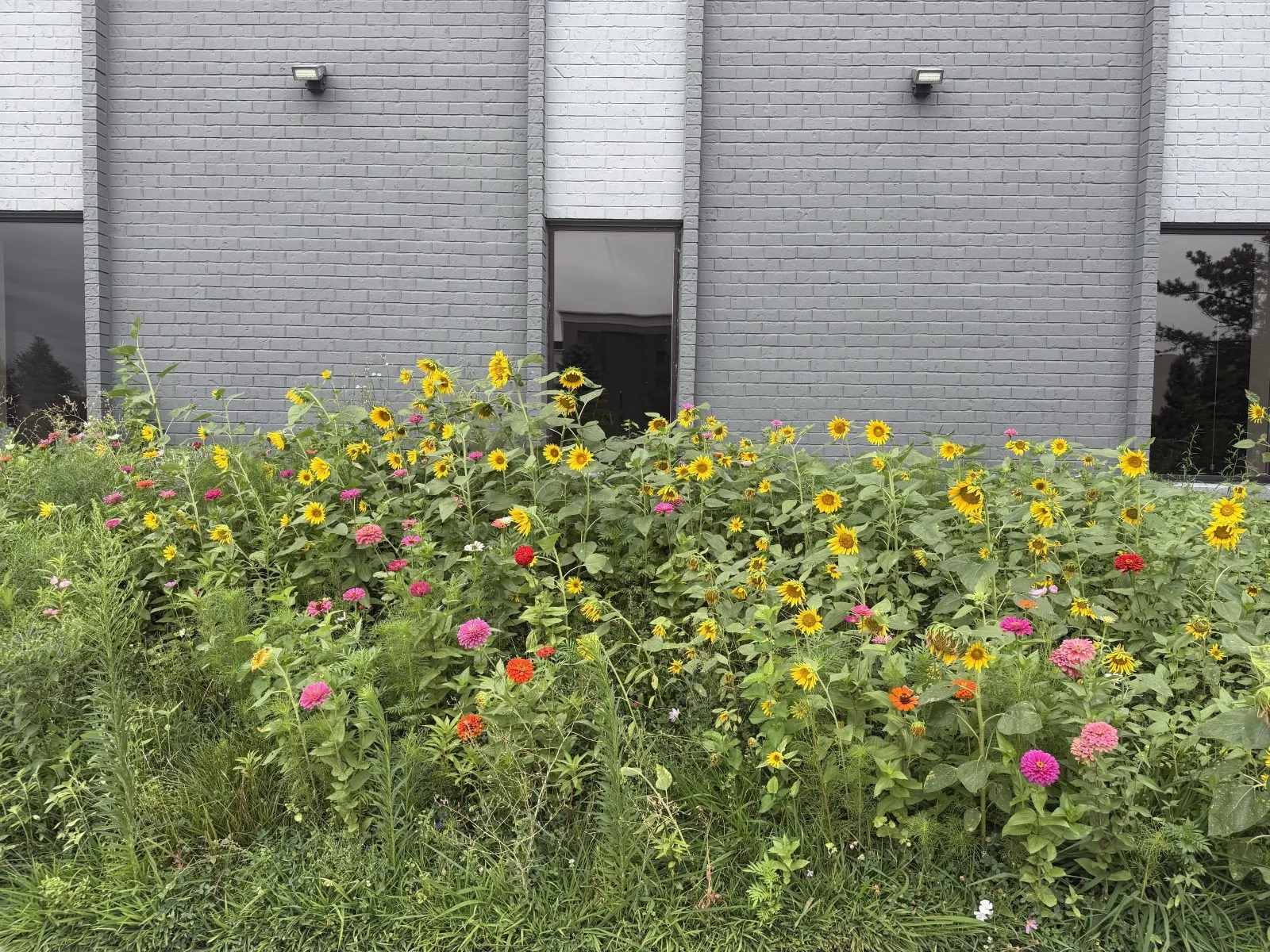
For some people, the most useful next step after assessment is not another appointment — it is somewhere to be, and something to do, in an environment that does not set off the alarm. That is exactly what the horticulture retraining program was designed to be.
Questions people ask
Do I need a diagnosis already?
No. Many people we see have never been assessed, or were assessed years ago in a setting that did not follow up. Bring whatever you have and we will start from there.
Will you make me retell the whole story?
Not to qualify for care. We start by believing you. Structured assessment exists so we can measure change over time, not so you can prove you deserve treatment.
Why do you ask about noise sensitivity?
Because it is measurable and it is commonly missed. Veterans with PTSD are twice as likely to carry a hyperacusis diagnosis — a clinical intolerance of ordinary sound (adjusted odds ratio 2.00, 95% CI 1.87–2.14). Among veterans with hyperacusis, 49 percent also had PTSD. If sound is part of your problem, it changes what work and what housing will actually be tolerable.
Is medication required?
No. Medication is one option among several and is always a conversation. Our clinical leadership’s practice is built on reducing unnecessary prescribing, not expanding it.
Think this might be for you?
You do not need a referral and you do not need to prove anything first. Tell us what is happening and we will be honest about whether we can help.