Homeless veteran health care · St. Louis
You cannot treat a man’s back if he’s sleeping in his car.
Valor Medica is the medical arm of Valor Villages. We provide medical care, mental health and recovery support, and vocational training to veterans and neighbors experiencing homelessness across the St. Louis region — delivered where people actually are.
Why we exist
Medicine doesn’t work above someone’s circumstances. It works inside them, or it doesn’t work.
A veteran with untreated PTSD, a back injury and no fixed address does not have three separate problems. They have one situation, and it does not respond to a prescription handed across a counter.
Valor Medica exists because our partner nonprofit, Valor Villages, kept running into the same wall: they could put a roof over someone’s head, and then watch untreated illness undo it. We are the clinical answer to that — the medical arm that makes housing hold.
The need, measured
How common are PTSD and homelessness among veterans?
14.4%
of American veterans meet criteria for PTSD in their lifetime; 7.3% in the past month alone.
National Health and Resilience in Veterans Study
24%
of women veterans served by the VA carry a PTSD diagnosis, against 14% of men.
US Dept. of Veterans Affairs, FY2024 — 5.8 million veterans served
33,000+
veterans were experiencing homelessness on a single night in 2022.
US Dept. of Housing and Urban Development, 2022 point-in-time count
2.0×
the odds of a hyperacusis diagnosis — clinical intolerance of ordinary sound — in veterans with PTSD.
Adjusted odds ratio 2.00, 95% CI 1.87–2.14
Earlier waves of the same veterans study put lifetime PTSD at roughly 8–9% and past-month under 5%. Those numbers did not drift. They roughly doubled.
What we do
What does Valor Medica do for homeless veterans?
Veterans medical care
Primary and specialty care coordinated with the VA and community health partners, for veterans in housing and veterans still on the street.
PTSD and trauma care
Assessment and treatment built on measurement, not on being believed only after you prove it.
Recovery support
Mental health counseling and substance use recovery, delivered with our partner treatment providers.
Street medicine
Basic first aid taken into camps and under bridges — interceptive care that stops small problems becoming emergencies.
Watch
“First Year They Sleep”
Dr. Gurpreet Singh Padda, MD, MBA, MHP, chief medical officer of Valor Villages, on the soil terrain, the human terrain, and why year one looks like failure.
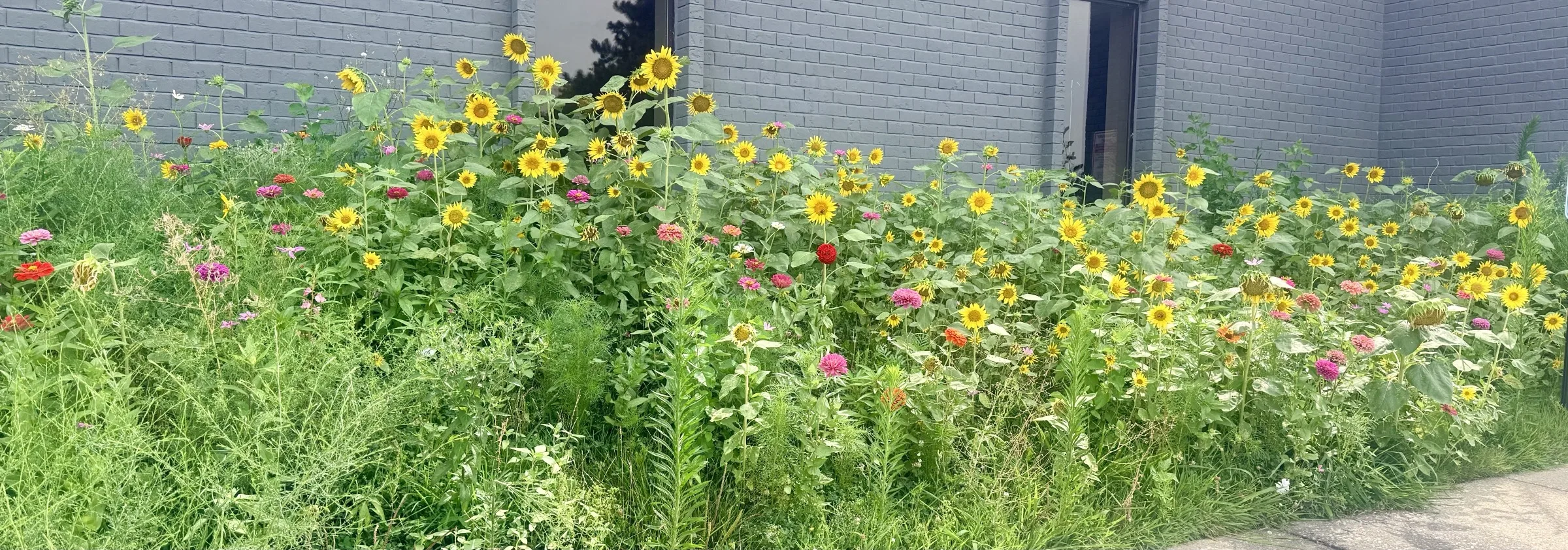
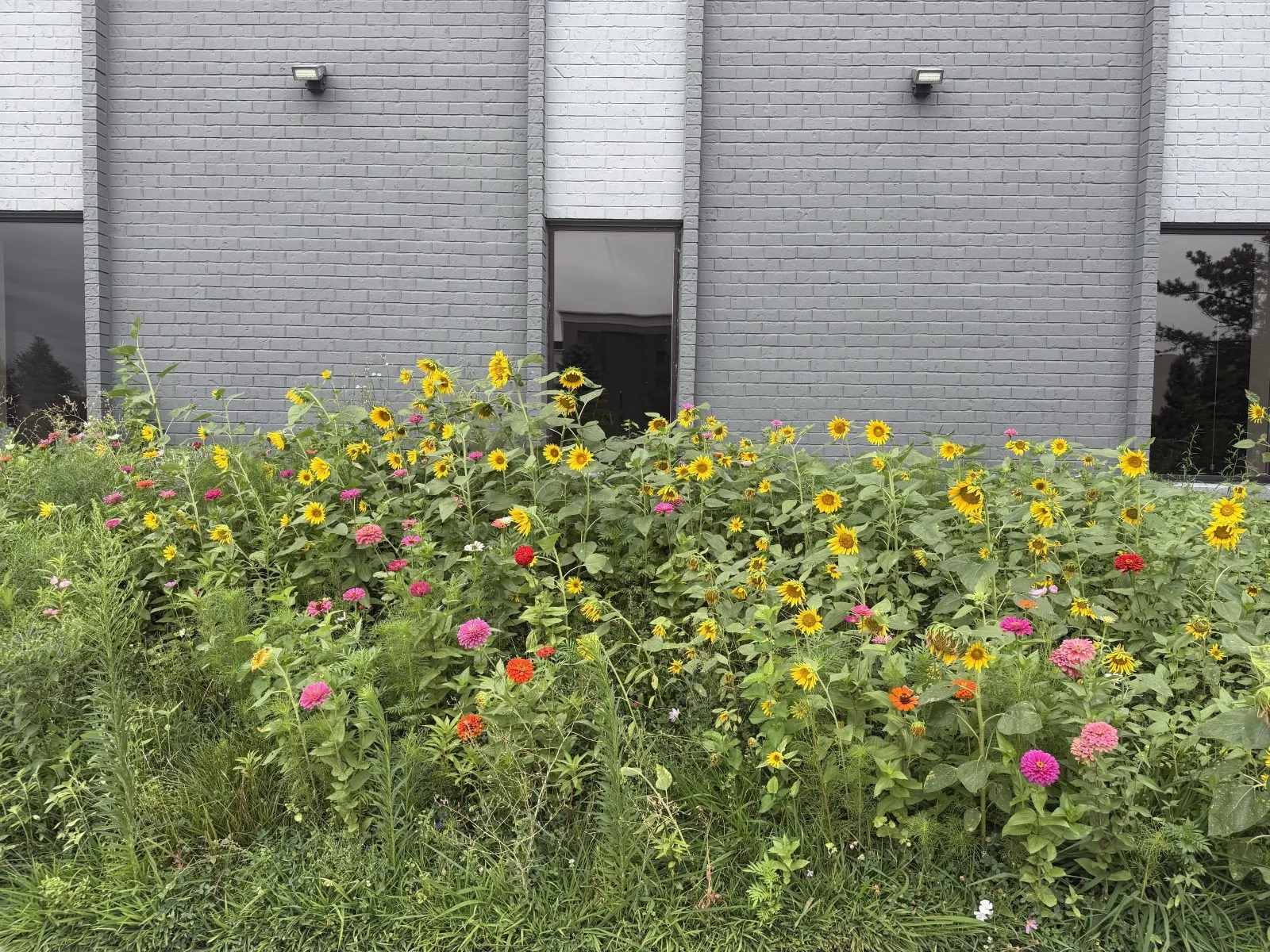
A prairie in its first year looks patchy, weedy and unfinished. The most common way a young prairie dies is that somebody lost patience with how it looked and reached for the mower. That sentence is also the truest thing we know about the people we treat.
Video hosted on YouTube. Nothing loads from YouTube until you press play.
Clinical leadership
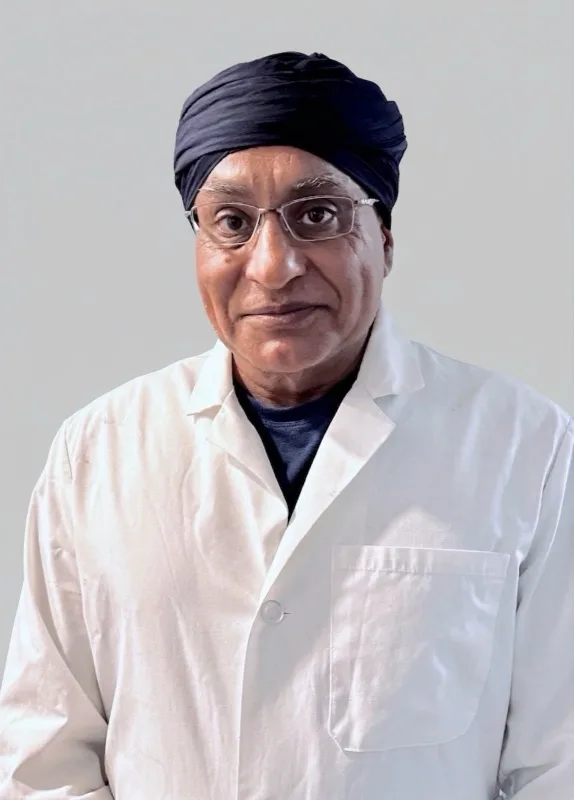
Dr. Gurpreet Singh Padda, MD, MBA, MHP
Chief Medical Officer, Valor Villages
Dr. Padda directs the clinical side of the partnership — the serious comorbidities and the conditions stacked on top of them. He is a former Assistant Professor of Anesthesiology and Pediatrics at Saint Louis University, a two-time ASIPP national keynote speaker, and President of the Missouri Society of Interventional Pain Physicians.
If you need help today
If you are in immediate danger or thinking about harming yourself, call or text 988. Veterans press 1. For a medical emergency, call 911.
If you need care, not an emergency
You do not need a referral, and you do not need to prove anything first. Tell us what is going on and we will tell you honestly whether we are the right people.
It takes a village. We need your help.
Your gift funds clinical care for veterans and neighbors who have run out of other options — and the vocational training that gives them a way back.
Frequently asked questions
Who helps homeless veterans get medical care in St. Louis?
Valor Medica does. We are the medical arm of Valor Villages, the St. Louis nonprofit that houses veterans. We provide medical care, mental health and recovery support, and vocational training to veterans and neighbors experiencing homelessness across the St. Louis region. Care is coordinated with the VA and community health partners, and it reaches veterans in housing and veterans still on the street.
Does Valor Medica work with the VA?
Yes. The VA is part of the care, and we work with it, not around it. Valor Medica coordinates primary and specialty care with the VA and community health partners. We also wrap clinical support around HUD-VASH and transitional housing, so a housing placement is not undone by untreated illness. The goal is one plan for one situation, not three separate problems handled in three separate places.
How many veterans are homeless in the United States?
More than 33,000 veterans were experiencing homelessness on a single night in 2022, according to the U.S. Department of Housing and Urban Development point-in-time count. The same population carries a heavy trauma load: 14.4% of American veterans meet criteria for PTSD in their lifetime. That is why we treat the whole situation, not one diagnosis at a time.
What is street medicine?
Street medicine, the way we practice it, is basic first aid taken into camps and under bridges. It is interceptive care: it stops small problems from becoming emergencies. From there, people can be connected to veterans medical care, PTSD and trauma care, and recovery support, so the first contact on the street leads somewhere.
What should a veteran do in a crisis right now?
If you are in immediate danger or thinking about harming yourself, call or text 988. Veterans press 1. For a medical emergency, call 911. If you need care but it is not an emergency, you do not need a referral and you do not need to prove anything first. Tell us what is going on and we will tell you honestly whether we are the right people.