
Homeless veteran programs · St. Louis
Programs
For veterans and neighbors experiencing homelessness in St. Louis, Valor Medica runs medical care, PTSD and trauma care, mental health counseling, substance use recovery, chronic pain and metabolic care and street medicine outreach, plus horticulture retraining, the prairie restoration, housing-linked medical support and benefits help.
Ten programs, built around one idea: treat the situation, not the slice of it that happens to fit a billing code.
Clinical
What medical care is available for homeless veterans?
Veterans medical care
Primary and specialty care coordinated with the VA and community health partners — for veterans in housing and veterans still outside.
PTSD and trauma care
Assessment and treatment that starts by believing you, then measures. The PCL-5, event centrality, and a plan you can actually follow.
Mental health counseling
Depression, anxiety and grief support, delivered with partner providers and coordinated with everything else in your chart.
Substance use recovery
Medically supervised care, medication-assisted treatment and long-term recovery support through established partner programs.
Beyond the clinic
What help is there with work, housing and paperwork?
Horticulture retraining
Quiet-by-design vocational training on a working prairie restoration, for people whose nervous systems cannot tolerate a loud job site.
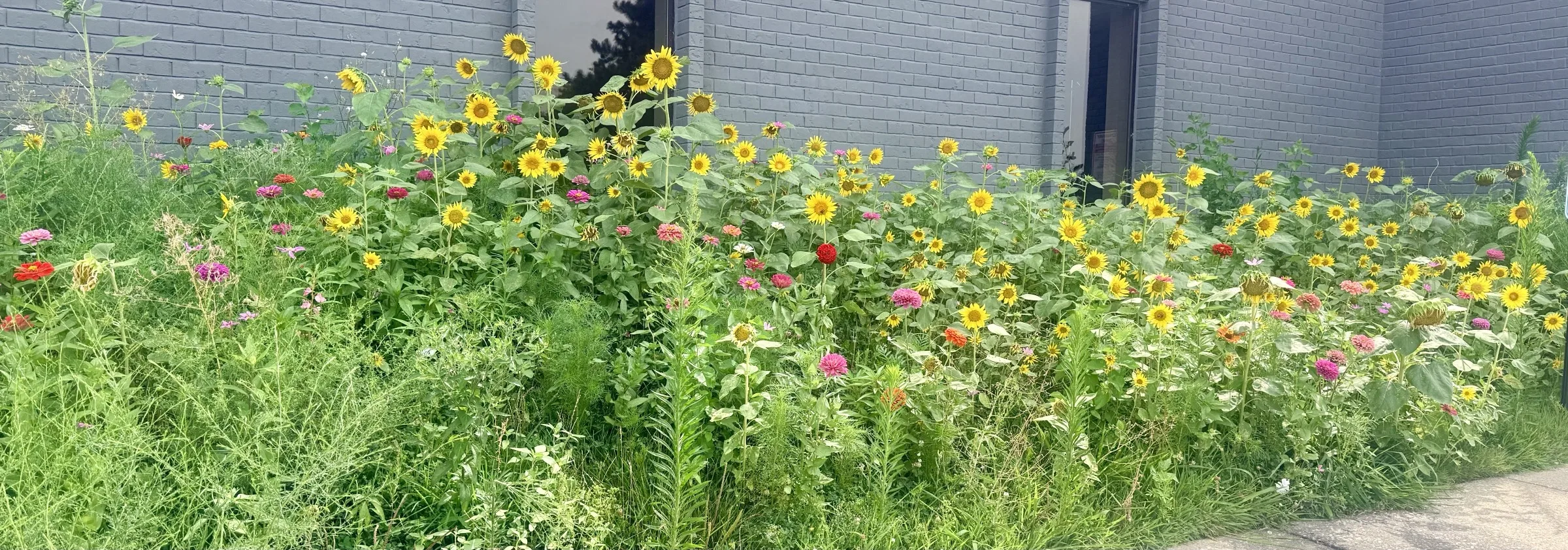
The prairie restoration
Two-tenths of an acre of historical Missouri tallgrass prairie — a training site, working green infrastructure, and a lesson about year one.
What we do not do
We are not an emergency department, a trauma center or an inpatient psychiatric facility, and we do not operate a mobile clinic. In an emergency call 911; in a mental health crisis call or text 988 and veterans press 1. Housing, food and case management are provided by Valor Villages, not by us.
Fund a program
Gifts to Valor Medica pay for clinical care, outreach supplies, transport and vocational training — not for anything else.
How do the programs fit together?
Each of these exists because a specific gap kept appearing. Street medicine catches problems while they are still small, for people who are not reaching care at all. Housing-linked support treats the conditions that only become treatable once somebody is inside. Veterans medical care makes fragmented treatment continuous. Chronic pain and metabolic care addresses the two problems that most reliably arrive together and are most often treated separately.
Alongside those sit mental health counseling, substance use recovery support, and benefits and documentation work — the last of which unlocks more medical care than any single clinical intervention we provide.
Do the programs require insurance or proof of homelessness?
No insurance requirement, no proof of circumstances before being taken seriously, and a plan you keep a copy of. Where we are not the right service, we say so and help you reach the one that is.
Frequently asked questions
Does the VA help homeless veterans?
Valor Medica works with the VA rather than around it. Our veterans medical care is primary and specialty care coordinated with the VA and community health partners, for veterans in housing and veterans still outside. Housing-linked medical support wraps clinical care around HUD-VASH and transitional housing, and our benefits and documentation work chases down the ID, the Social Security card and the earned benefit nobody explained.
Can I see a doctor if I have no money?
Yes. None of our programs has an insurance requirement, and nobody has to prove their circumstances before being taken seriously. You leave with a plan you keep a copy of. Street medicine outreach also takes basic first aid into camps and under bridges for people who are not reaching care at all. Where we are not the right service, we say so and help you reach the one that is.
Do veterans get free housing through Valor Medica?
No. Valor Medica is a medical organization. Housing, food and case management are provided by Valor Villages, not by us. What we add is housing-linked medical support: clinical care wrapped around HUD-VASH and transitional housing, so a placement is not undone by untreated illness, and treatment for the conditions that only become treatable once somebody is inside.