
Programs
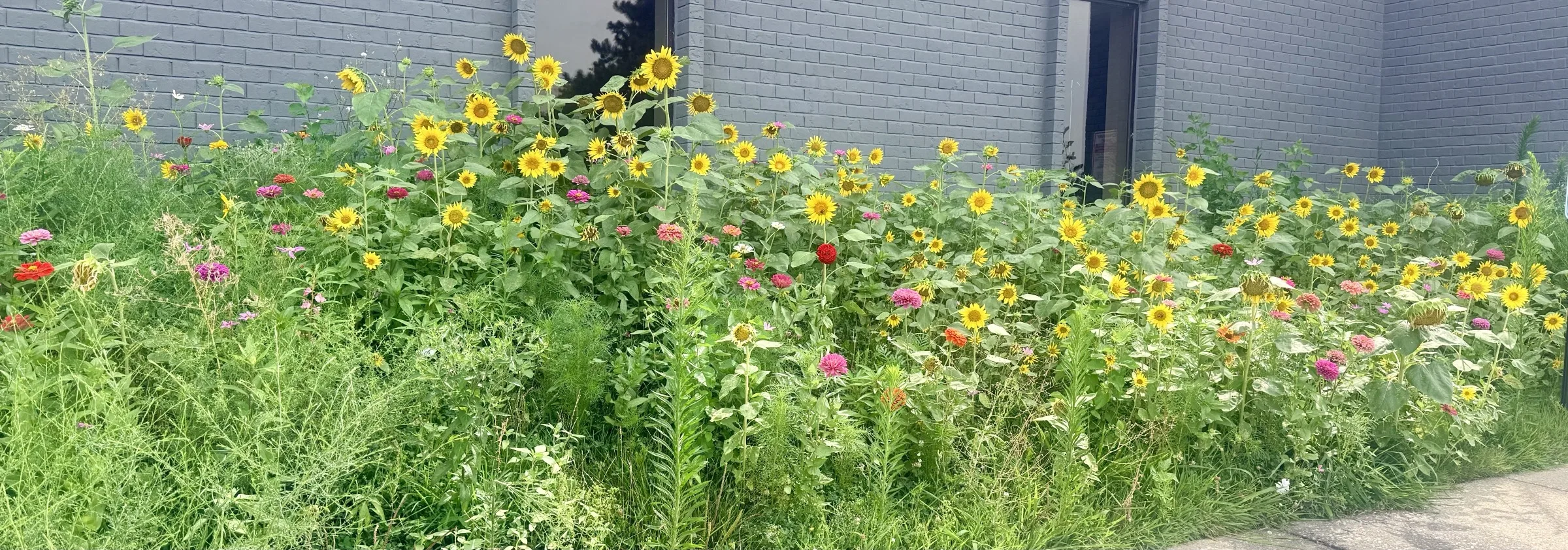
The Prairie Restoration
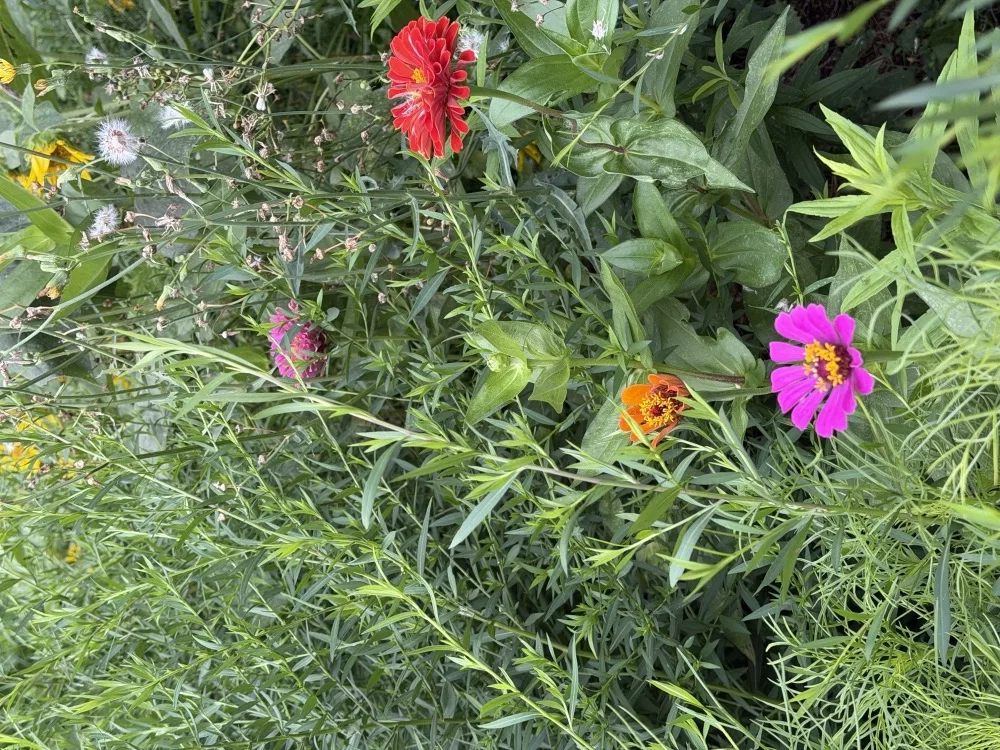
Two-tenths of an acre of something Missouri almost entirely lost — planted outside the treatment room windows, on purpose.
What was lost
Missouri once held roughly 15 million acres of tallgrass prairie — about a third of the state, and nearly half of present-day St. Louis. Fewer than 45,000 acres of that original prairie survive. More than 99 percent is gone.
The restoration here is two-tenths of an acre. It will not reverse that. What it does is teach the skill of putting it back, to people who need the work.
What a prairie does to ground
Native prairie plants build root systems reaching as deep as 15 feet, which changes how the ground handles water. A US Geological Survey study of rain gardens found that the prairie rain garden in clay soil retained and infiltrated 100 percent of all precipitation and snowmelt events across water years 2004–07; the turf equivalent in the same clay retained 96 percent. Deep-rooted shrub and prairie plantings have been measured increasing soil saturated hydraulic conductivity by up to 25 times relative to turfgrass systems.
The green roof
An extensive green roof is planned for the Woodson Road building. The US Environmental Protection Agency associates extensive green roofs with roughly a 60 percent reduction in stormwater runoff. Trainees from the horticulture program will install and maintain it.
Pollinators
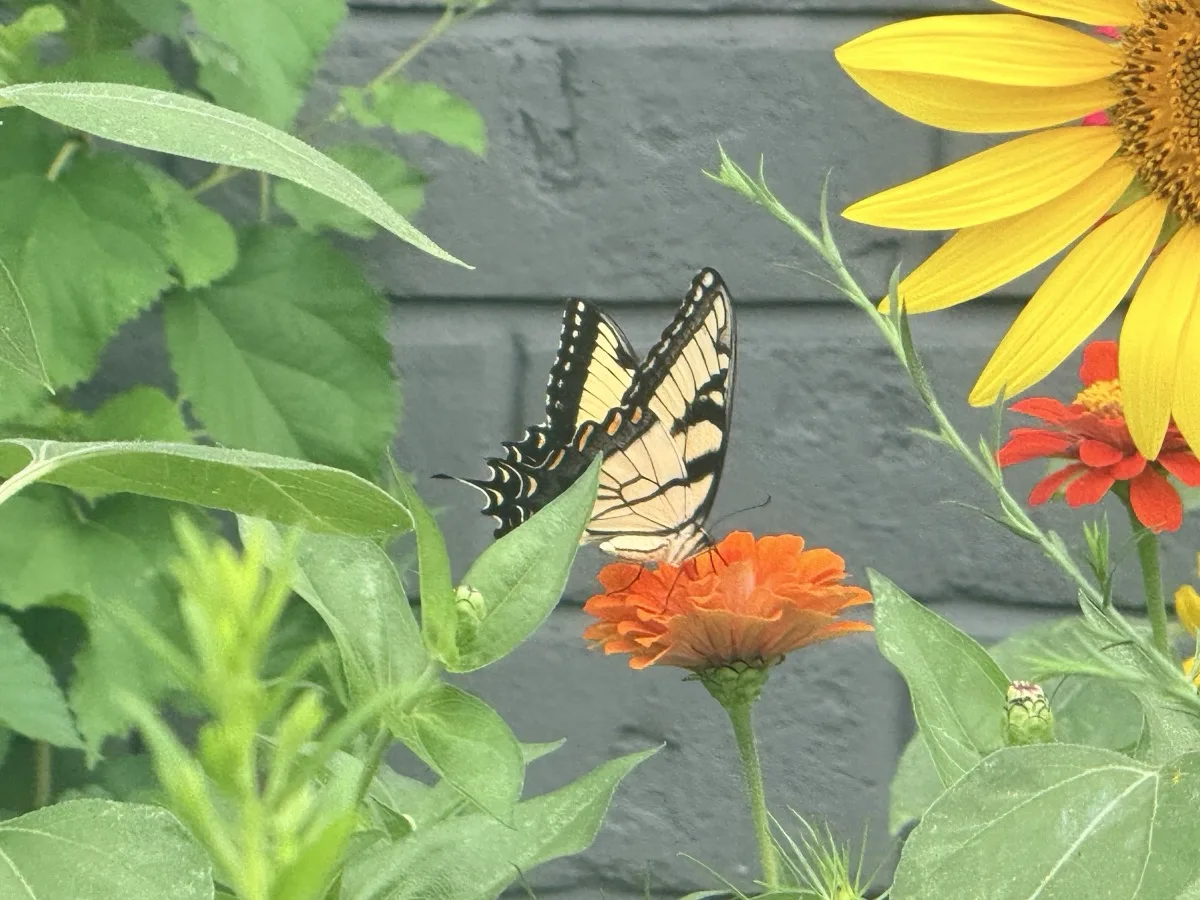
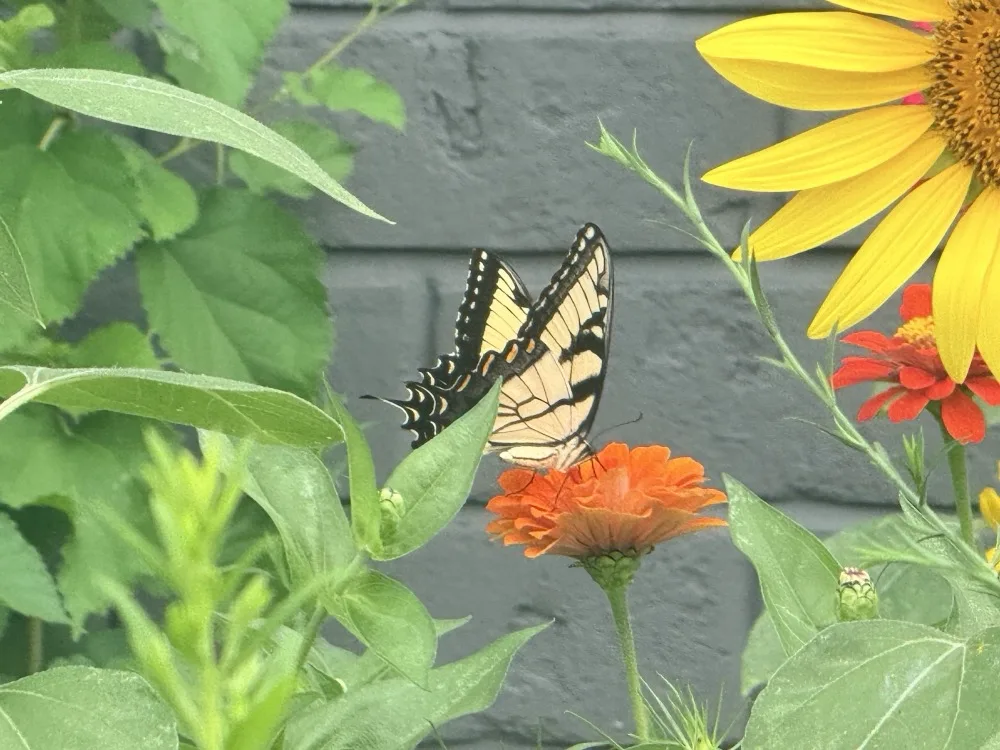
The monarch butterfly was proposed for listing as threatened by the US Fish and Wildlife Service in December 2024, with a modeled extinction probability of 56 to 74 percent for the eastern migratory population over 60 years; a final rule remains pending. Missouri was the first state in the nation to adopt a dedicated monarch and pollinator conservation plan, in 2016, targeting 385,000 acres over two decades.
Fund a program
Gifts to Valor Medica pay for clinical care, outreach supplies, transport and vocational training — not for anything else.
What it is
A working restoration of native prairie on land connected to the housing programme, and a place for residents to do something outdoors that is neither treatment nor obligation. Participation is voluntary and there is no clinical requirement attached to it.
Why a medical organization runs one
Two honest reasons. The first is that structured outdoor activity is good for sleep, mood and cardiovascular health, and it is one of the few interventions with no side effects and no cost. The second is that recovery is easier when there is something to do that is not about being unwell. Residents describe the work in those terms more often than in clinical ones.
What the work involves
Seed collection, planting, invasive species removal and seasonal maintenance. No experience is needed and nobody is expected to commit to a schedule. Volunteers from outside the housing programme are welcome alongside residents.