
About
Our story
It started with a problem nobody could solve by adding beds.
The wall
Valor Villages was founded to do a concrete thing: get unhoused neighbors in St. Louis off the street. Housing, food, case management, documentation, job training. It works — and it kept running into the same wall.
Someone would be housed, and then the untreated condition they arrived with would take the housing back. Unmanaged pain that made work impossible. PTSD that made a congregate setting unbearable. Substance use that nobody had the clinical capacity to treat. Diabetes that had gone unmanaged for a decade.
You cannot case-manage your way out of untreated disease. The nonprofit needed a clinical partner that understood the population, and would not simply refer people back into a system that had already failed them.
The partnership
Valor Medica was formed as the medical arm of that work — a nonprofit division of Sevadar Foundation Inc., providing the clinical side of a very hard situation. Dr. Gurpreet Singh Padda, MD, MBA, MHP is Chief Medical Officer of Valor Villages Inc., the separate 501(c)(3) on the other side of the partnership.
In November 2025, with support from The Hunt Foundation, Valor Villages opened Valor #1 Housing: two units, eight veterans, four women on one side and four men on the other. Not shelter beds for the night — a residence, with a kitchen, laundry, a door that locks, help getting the benefits they had already earned, and a ride to their medical appointments.
That last item is the whole point. The ride to the medical appointment is not a logistics detail. It is the difference between care that exists on paper and care that happens.
The prairie
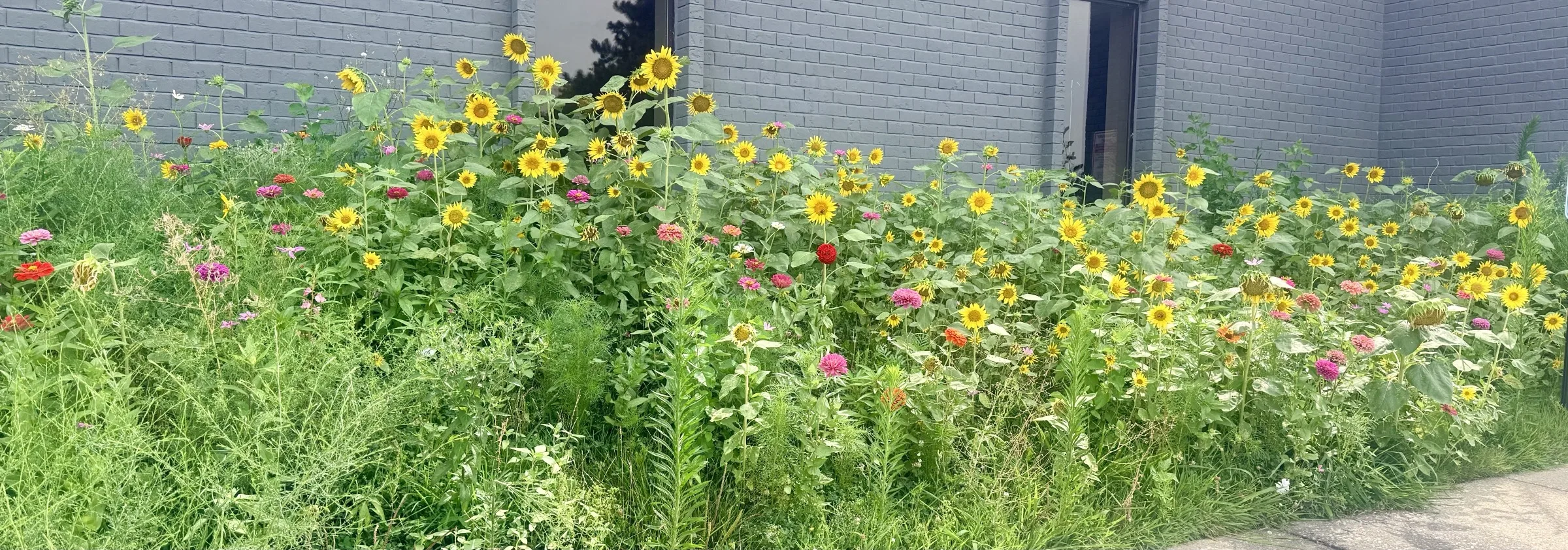
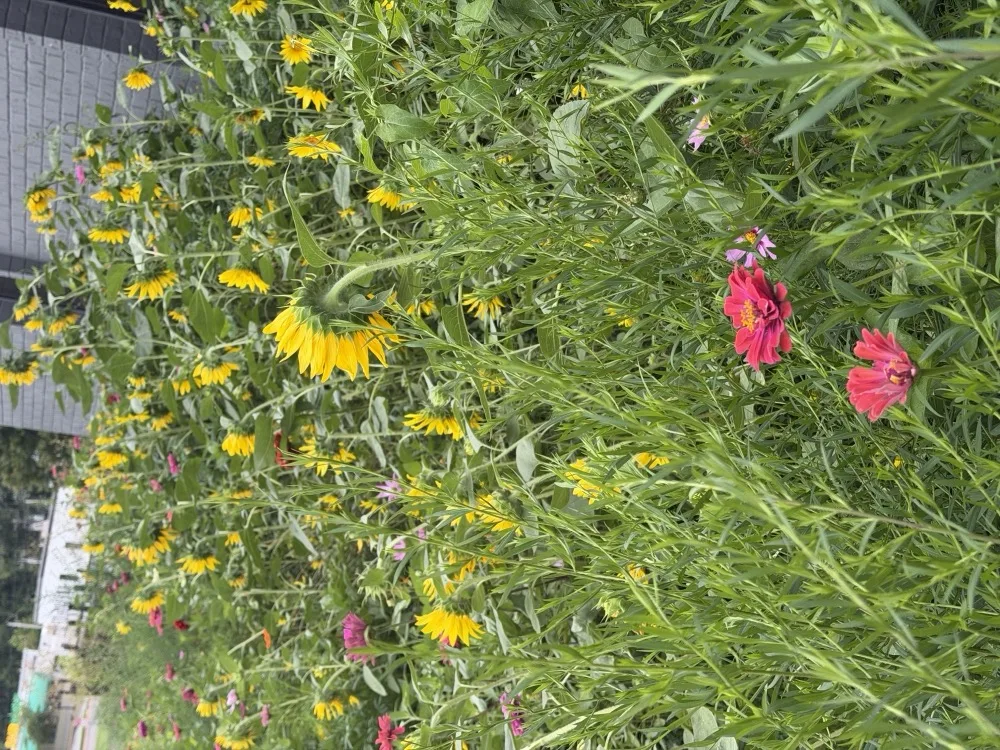
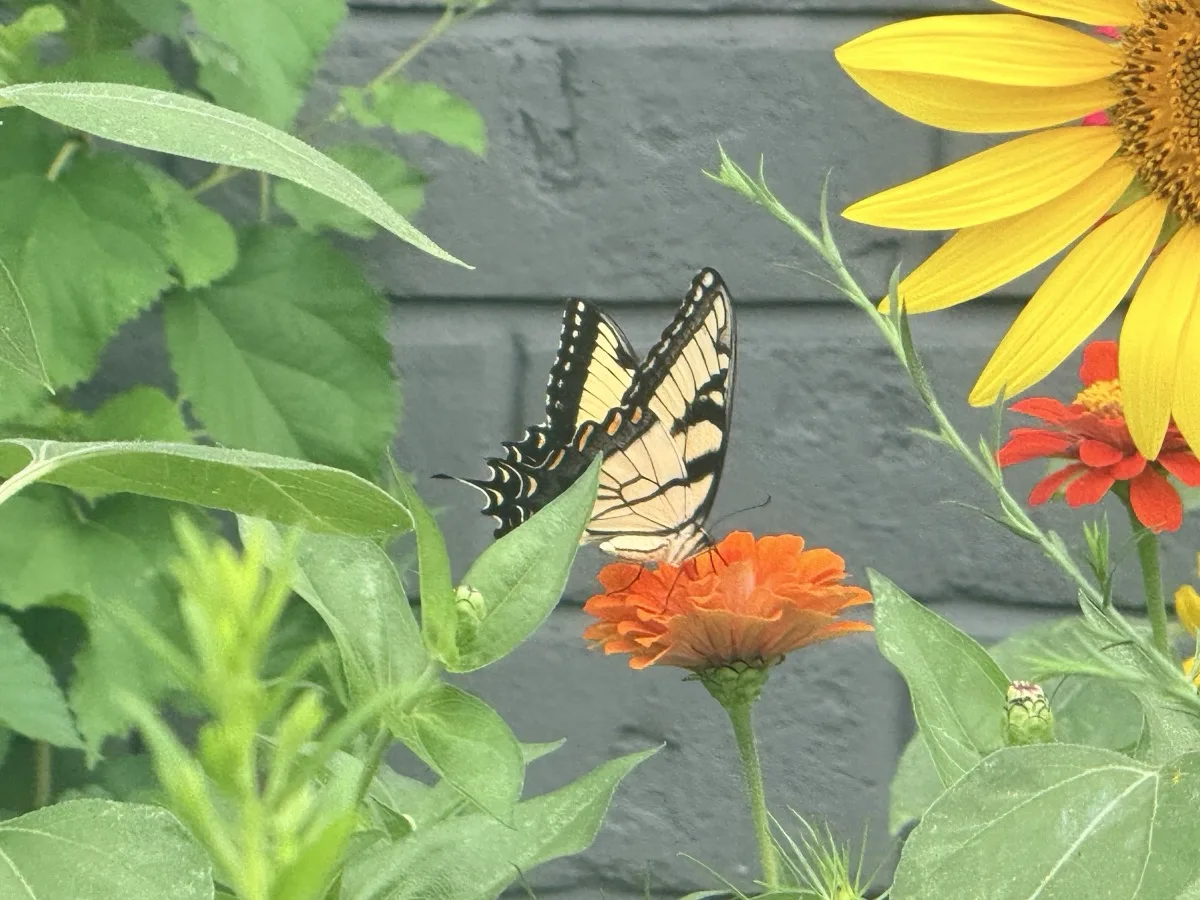
In 2026 the partnership added something that surprises people: a two-tenths-of-an-acre restoration of historical Missouri tallgrass prairie, planted directly outside the treatment room windows, and a horticulture retraining program built around it.
It is not landscaping. It is a vocational training site chosen because it is quiet — and quiet is a clinical requirement for a population in which hyperacusis, a clinical intolerance of ordinary sound, is twice as likely to be diagnosed. It is also working green infrastructure, and it teaches a skill with real labor-market demand.
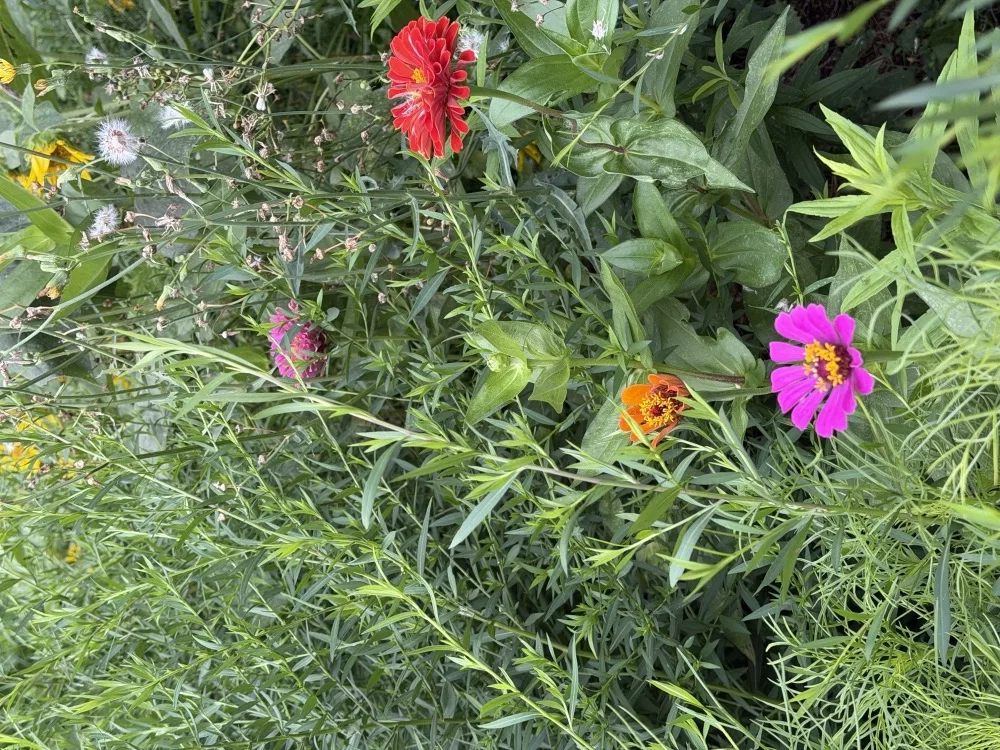
And it makes a point that is hard to make in words. A restored prairie in its first year looks patchy and weedy and like a mistake, while the actual repair happens underground where nobody can grade it. The most common way a young prairie dies is that someone lost patience with how it looked and reached for the mower.
Be part of year two
The work that looks like failure in year one is the work that holds in year five.