
Programs
Housing-Linked Medical Support
A roof does not hold if the reason someone lost it was never treated.
The problem this solves
Housing programs place people successfully and then lose them — not because the housing failed, but because the untreated condition that contributed to homelessness carried on untreated. Pain that makes work impossible. PTSD that makes a congregate setting unbearable. Substance use nobody had capacity to treat. Diabetes that has gone unmanaged for a decade.
Our role is to make sure the clinical side moves at the same speed as the housing side.
What that looks like in practice
- A medical assessment at or near the point of placement, not months later
- A clinical plan the case manager can actually see and work with
- Transport to appointments — the single most common reason care does not happen
- Medication continuity across a move, which is where it usually breaks
- Coordination with HUD-VASH case management and the VA for eligible veterans
- Early warning when a health problem is about to threaten a placement
Valor #1 Housing
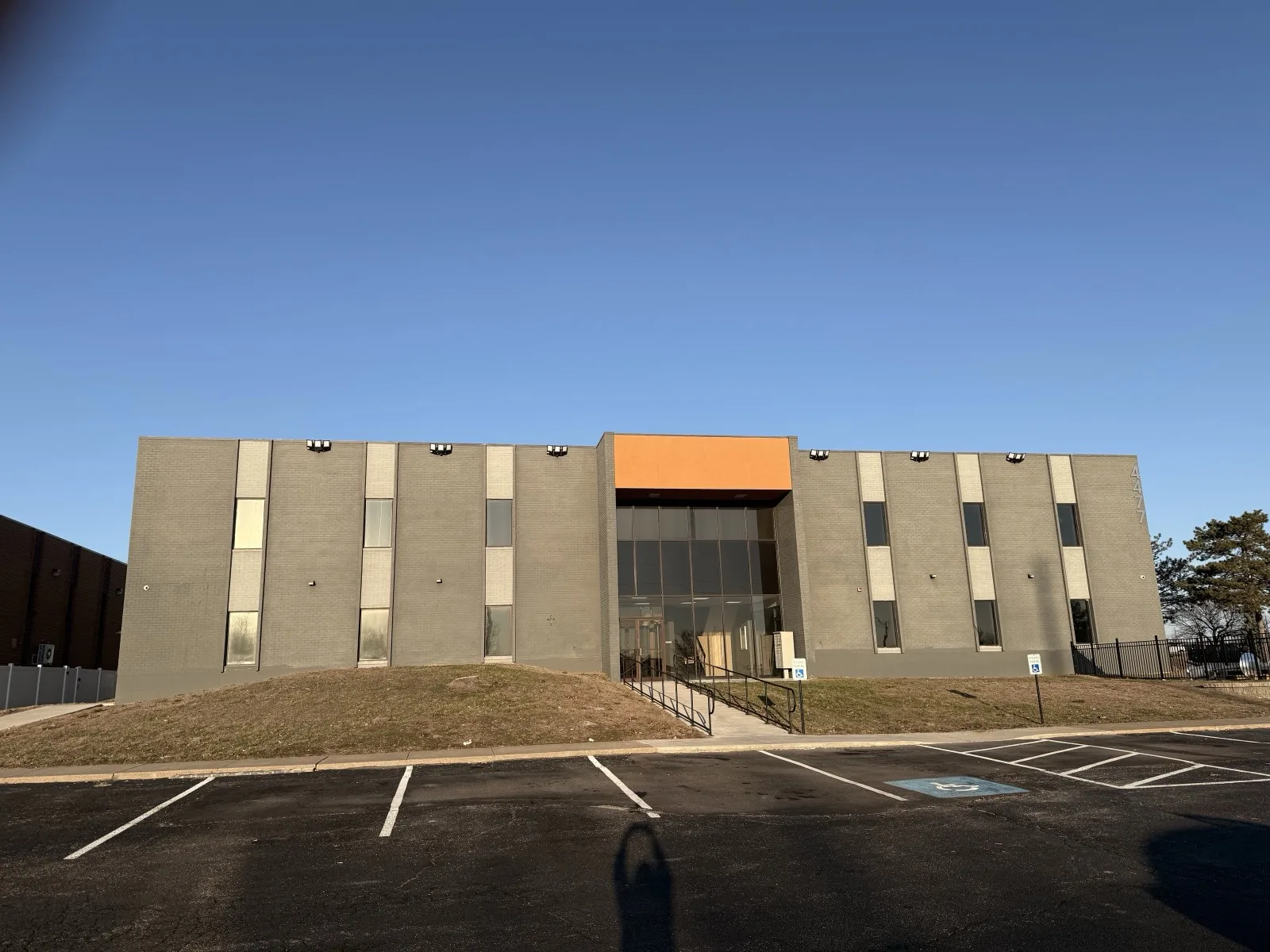
In November 2025, with support from The Hunt Foundation, Valor Villages opened a residence for eight formerly unhoused veterans — two units, four women and four men. A kitchen, laundry, a door that locks, help claiming earned benefits, and a ride to medical appointments.
Who provides the housing
Housing is provided by Valor Villages, a separate 501(c)(3) organization, through emergency, transitional and permanent supportive programs including HUD-VASH and rapid re-housing. We do not operate housing. If housing is what you need, they are the right first call.
Think this might be for you?
You do not need a referral and you do not need to prove anything first. Tell us what is happening and we will be honest about whether we can help.
Why care follows housing
Housing changes what medicine can do. A wound can be kept clean. A medication can be refrigerated and taken on a schedule. An appointment can be reached because there is somewhere to leave from and return to. Almost every clinical plan assumes those conditions quietly, and for people without housing almost none of them hold.
Placing medical support inside the housing programme rather than at the end of a referral removes the step where care is offered and never reached.
What this looks like in practice
- Assessment on site rather than by appointment elsewhere.
- Medication review and reconciliation once a person has somewhere to keep them.
- Management of the chronic conditions that were previously impossible to manage.
- Coordination with the case manager already working with that resident.
- Follow-up that does not depend on the person having a working phone.
The first months after housing
The period immediately after somebody moves inside is when health problems surface rather than resolve. Conditions that were survivable outside become treatable, which means they finally get named, and the volume of them can be overwhelming for the person. The medical work in that window is largely about sequencing — deciding what is urgent, what can wait, and what was never actually a problem.